The Korean Musical Mystery

Feature Docs

Run Time

75'

Year of Production

2012

Producer

Les films de la Passerelle & RTBF & Unité Divertissement & Scène

Pitch

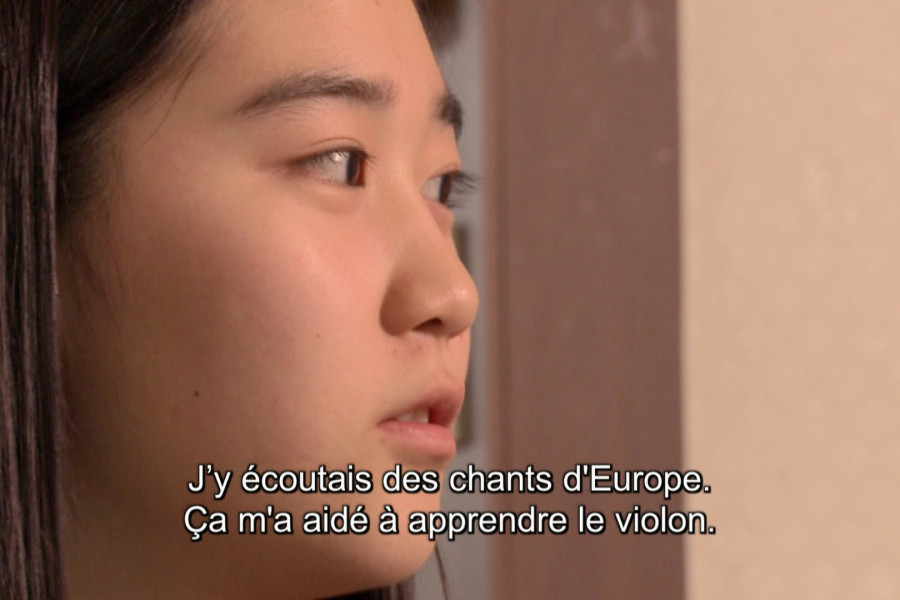
For the past decade, South Korea has been increasingly present in the field of Western classical music. This progress is particularly noticeable in international music competitions. For example, in the Queen Elisabeth Competition, over the past three years, Koreans represented a quarter of the participants in the first round. In 2010, there were five Koreans among the twelve finalists, and in 2011, for the first time in the history of this competition, a Korean, Hong Haeran, finished in first place. But over the past four years, Koreans have also won the Maria Callas Grand Prix, the Long Thibaud Crespin Competition, the Tchaikovsky Competition, and many other prestigious competitions.

Why are young Koreans attracted to classical music, and where do they learn it? Why have they become so accomplished in such a short time?

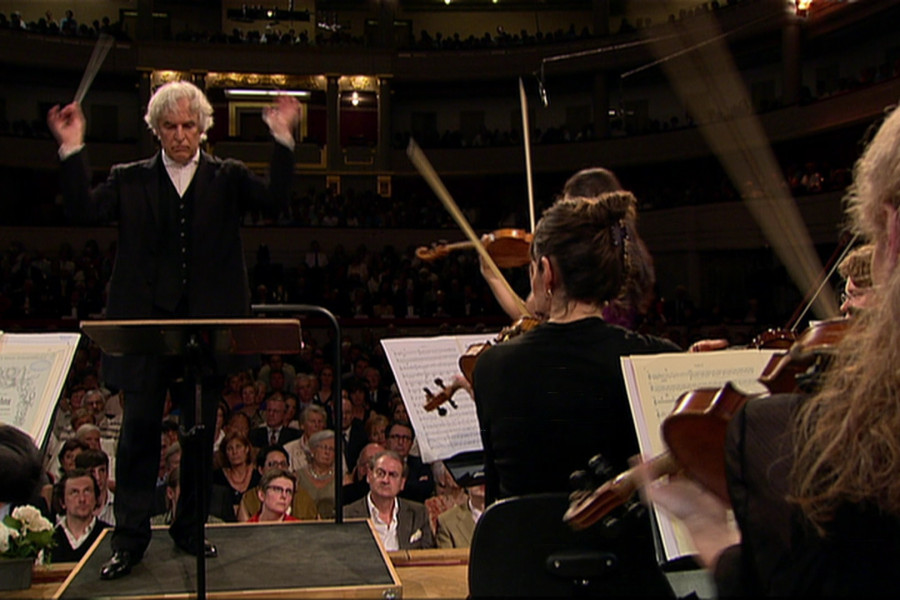
The film explores, in four stages, the rise of Korean musicians: training in Seoul from early musical awakening to the perfect mastery of the instrument, learning expressiveness through contact with great Western masters at the Hochschule für Musik in Munich, the spirit of competition revealed behind the scenes of the Queen Elisabeth Competition, and finally, recognition in the international music profession on the stage of the Royal Theatre de la Monnaie.

Videos

Gallery

View all

Prev
Next

More Like This

Prev
Next
The Asbestos Tomb: Chronicle of a Foretold Disaster
79'
2019
The archives of eleven programmes made for RTBF between 1977 and 2003 reveal a crucial period in the use of asbestos in Belgium and Europe. All the risks were known to the industrialists, but the workers gradually discovered them through illness and death. The 20 years preceding the ban on asbestos in Belgium in 1998 were cynically won by the industry through its propaganda, denial, and lies, as well as the passivity of public authorities and the complacency of scientific and trade union circles that it managed to rally to its cause. In 1995, the removal of asbestos from the Berlaymont, the building housing the European Commission, opened the eyes of the general public to the dangers posed by asbestos. The long battle of the victims for compensation could finally begin. In 2017, the Brussels Court of Appeal confirmed that Eternit, the former champion of asbestos cement, had known about the dangers of asbestos since at least the 1960s and had done everything to hide them. But the story does not end there. Asbestos is still used in many countries. In Europe and Belgium, although banned, it is still present everywhere in the environment, homes, and schools. Cancers sometimes emerge decades after exposure, and the peak of diseases has not yet been reached. A real ticking time bomb, asbestos continues to claim hundreds of victims annually in Belgium, thousands in Europe, and over 100,000 worldwide.
People & Society
The Asbestos Tomb: Chronicle of a Foretold Disaster